The Spirit of Croatia
From the magical, untouched Adriatic coastline to the breathtaking natural parks of the inland, Croatia is a land of remarkable natural beauty and architectural diversity.
Whether you are drawn to secluded islands, ancient historic sites, authentic local cuisine and wine, or active outdoor pursuits, Croatia offers an abundance of experiences — not only in the summer months, but throughout the entire year.
It is a country where the vibrant energy of a young nation meets the warmth, ease, and hospitality of the traditional Mediterranean.
Full of Sun
Beaches of Croatia
With 1,224 islands, Croatia boasts the most indented coastline in the Mediterranean, offering beaches to suit every traveler's taste.
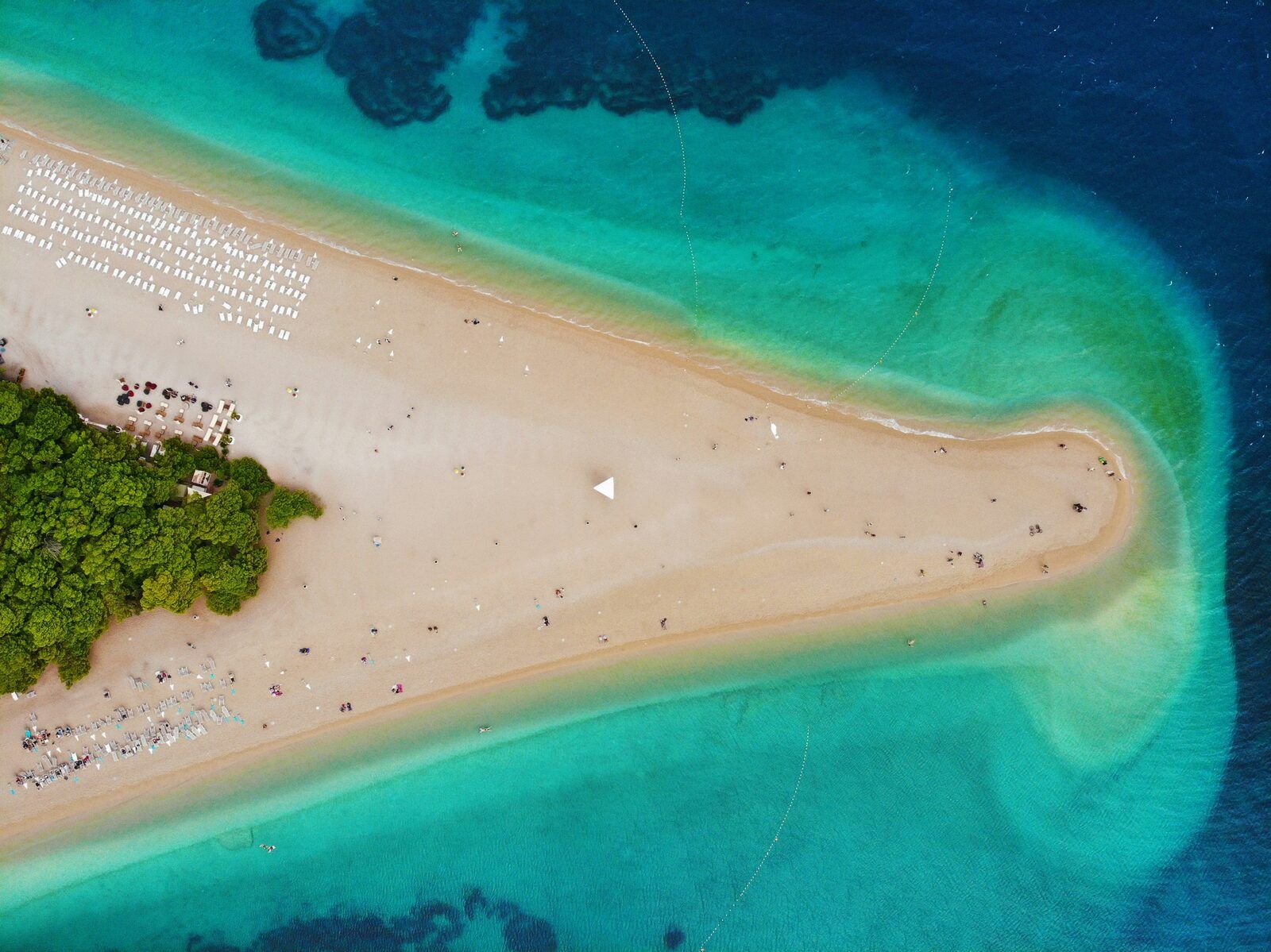
Heavenly Beaches
Soft sandy shores and shallow waters, paired with a wealth of fun activities for both children and adults, make these beaches ideal for sunbathing, swimming, and relaxing with family and friends.
Rajska Beach (Rab) • Bačvice (Split) • Saharun (Dugi Otok) • Lumbarda (Korčula) • Šunj (Lopud) • Kukljica (Ugljan)
Pebble Beaches
Most Croatian beaches are pebble beaches, known for their crystal-clear waters and abundance of sea activities such as snorkeling, jet skiing, beach volleyball, or the beloved local game picigin.
Zlatni Rat (Brač) • Punta Rata (Brela) • Baška (Krk) • Banje (Dubrovnik)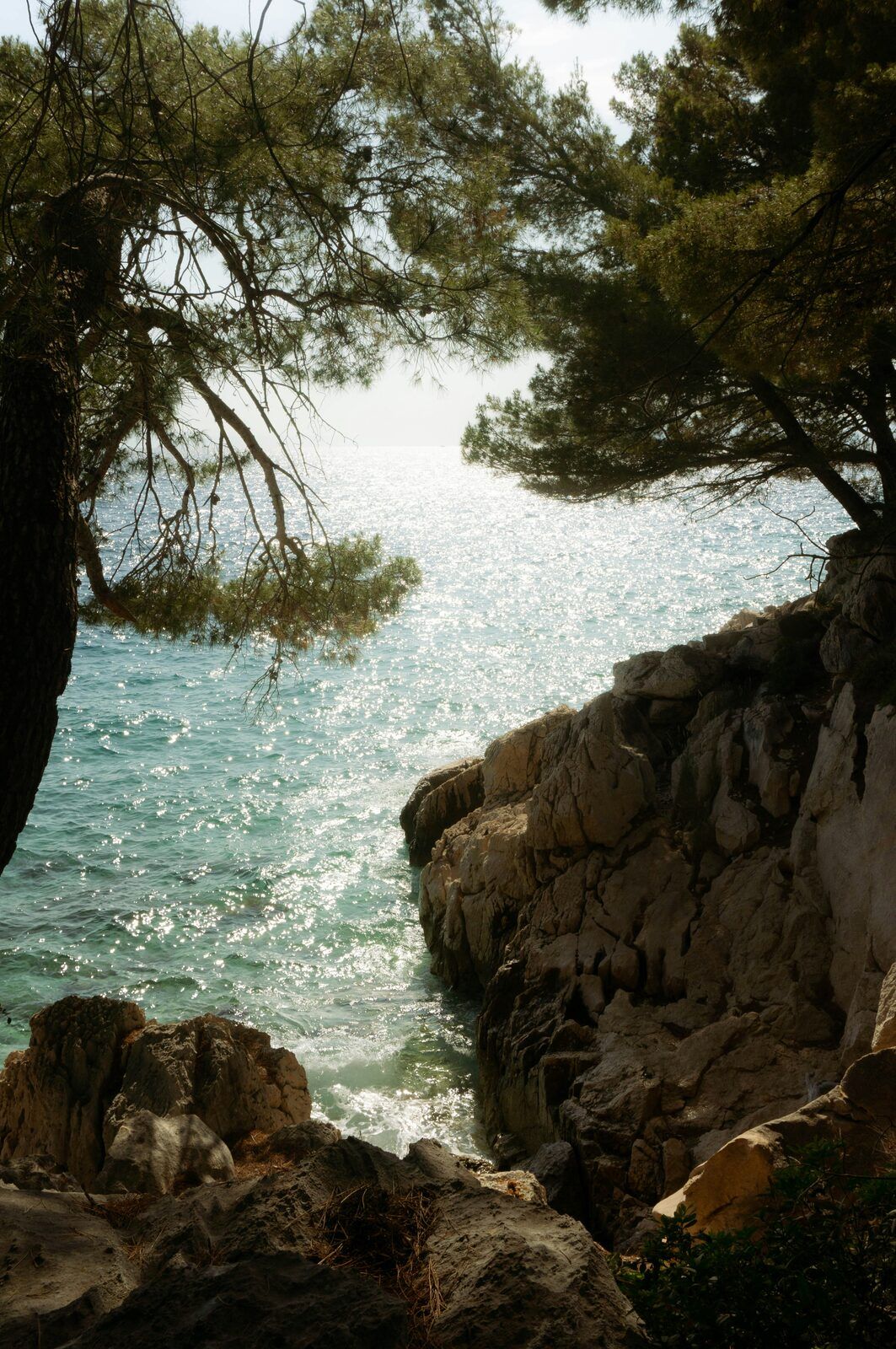
Secluded Beaches
If your idea of paradise is a remote beach far from civilization, Croatia offers countless hidden coves waiting to be discovered by those seeking peace and calm seas.
Stiniva Cove (Vis) • Kamenjak Peninsula (Istria) • Lubenice Beach (Cres)Full of Natural Beauties
National Parks and Protected Areas
Croatia's natural heritage is extraordinary, encompassing eight national parks, eleven nature parks, two strict reserves, and seventy-seven special reserves — each showcasing the country's stunning diversity and beauty.
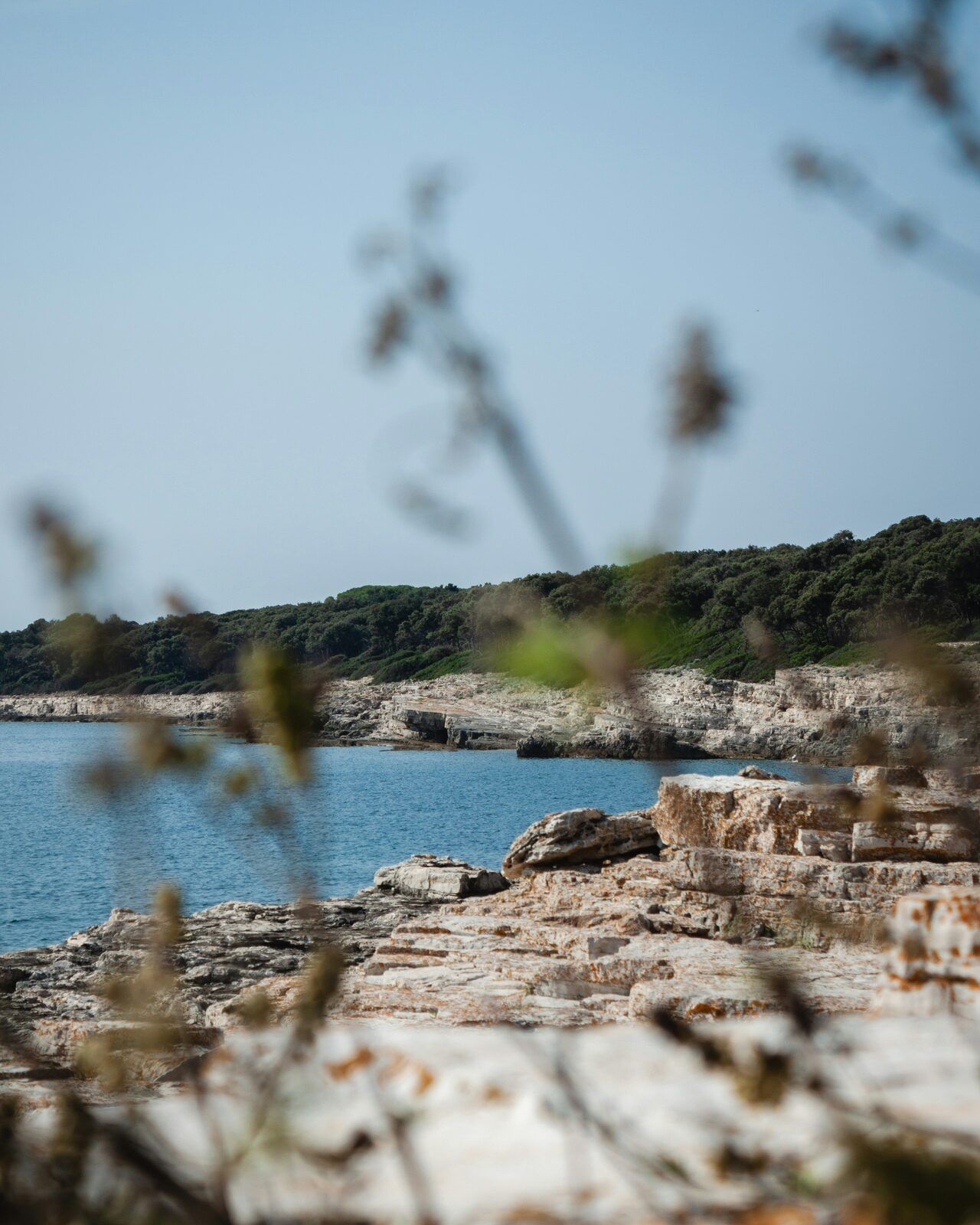
Brijuni
IstriaAn enchanting archipelago of two larger and twelve smaller islands along the western coast of Istria, known for its rich Mediterranean vegetation and cultural heritage dating back to the Roman and Byzantine eras.
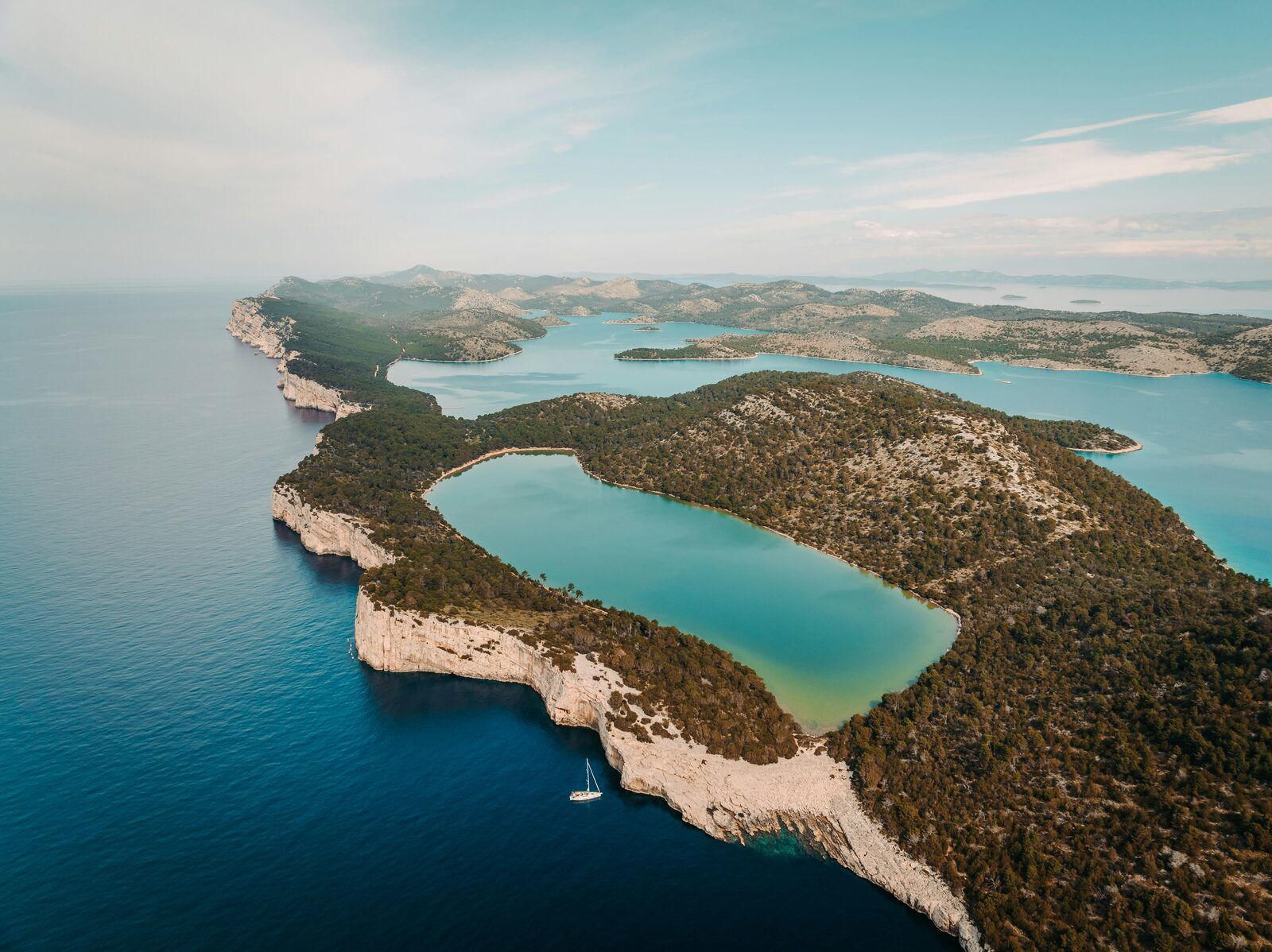
Kornati
DalmatiaThe most densely clustered island group in the Mediterranean. Its striking landscapes, dramatic cliffs, and tranquil coves make it ideal for yachting, sailing, and Robinson-style adventures.
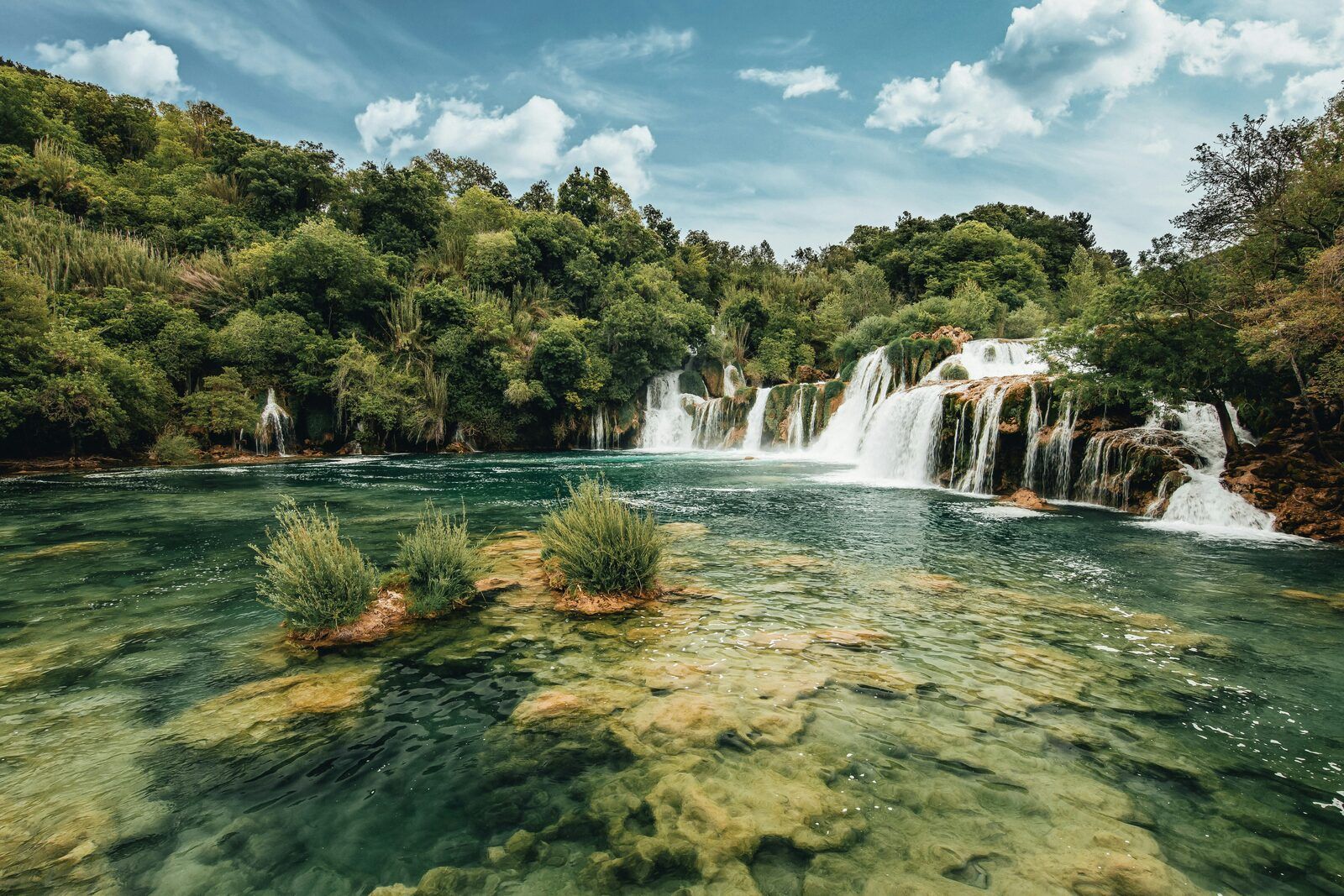
Krka
DalmatiaA breathtaking karst phenomenon home to seven magnificent waterfalls, with Skradinski Buk — one of Europe's most beautiful travertine cascades — as the crown jewel.
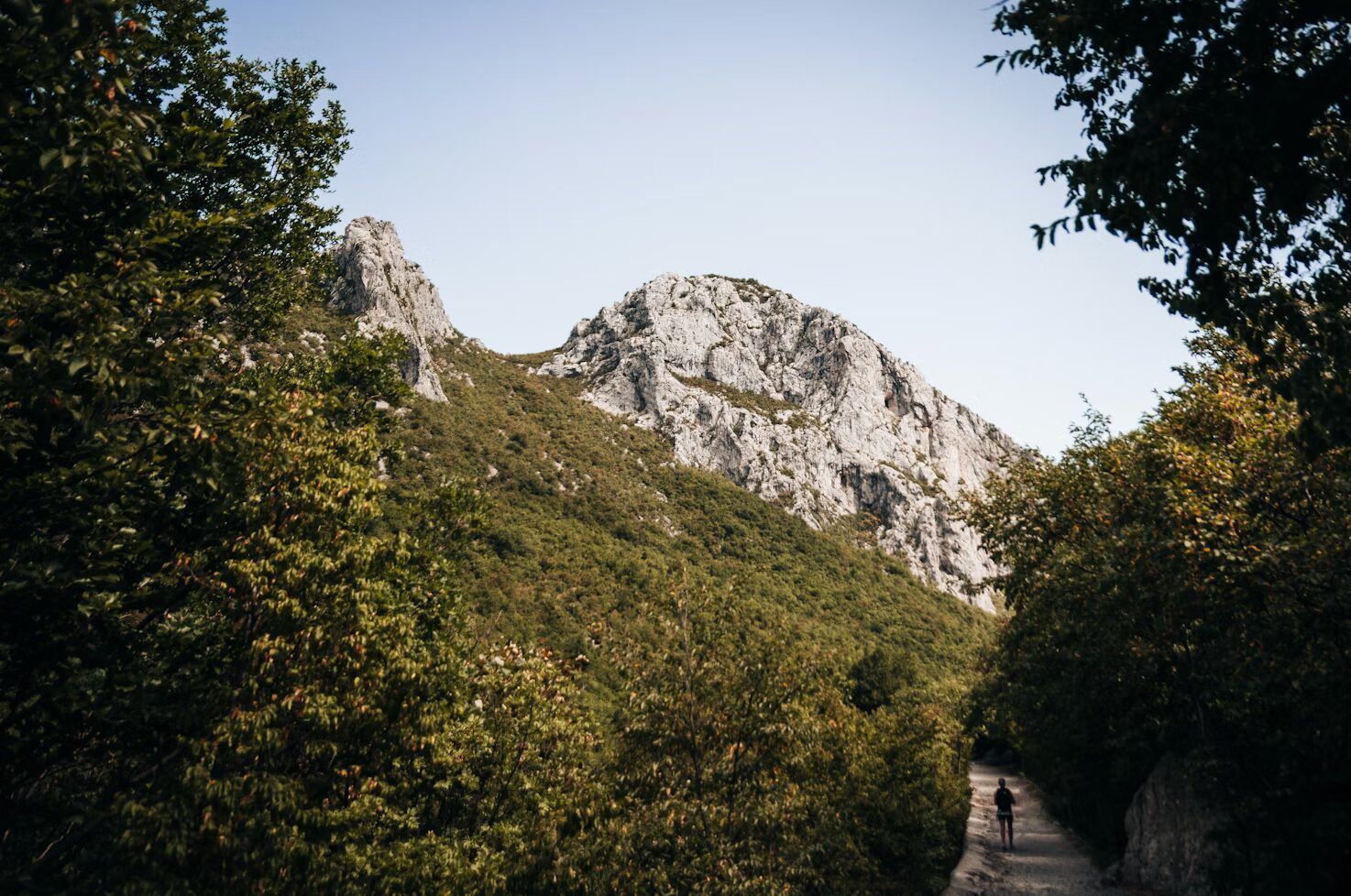
Paklenica
DalmatiaCharacterized by dramatic karst formations and caves, best known for its two impressive gorges, Velika and Mala Paklenica, sheltering a wealth of plant and animal life.
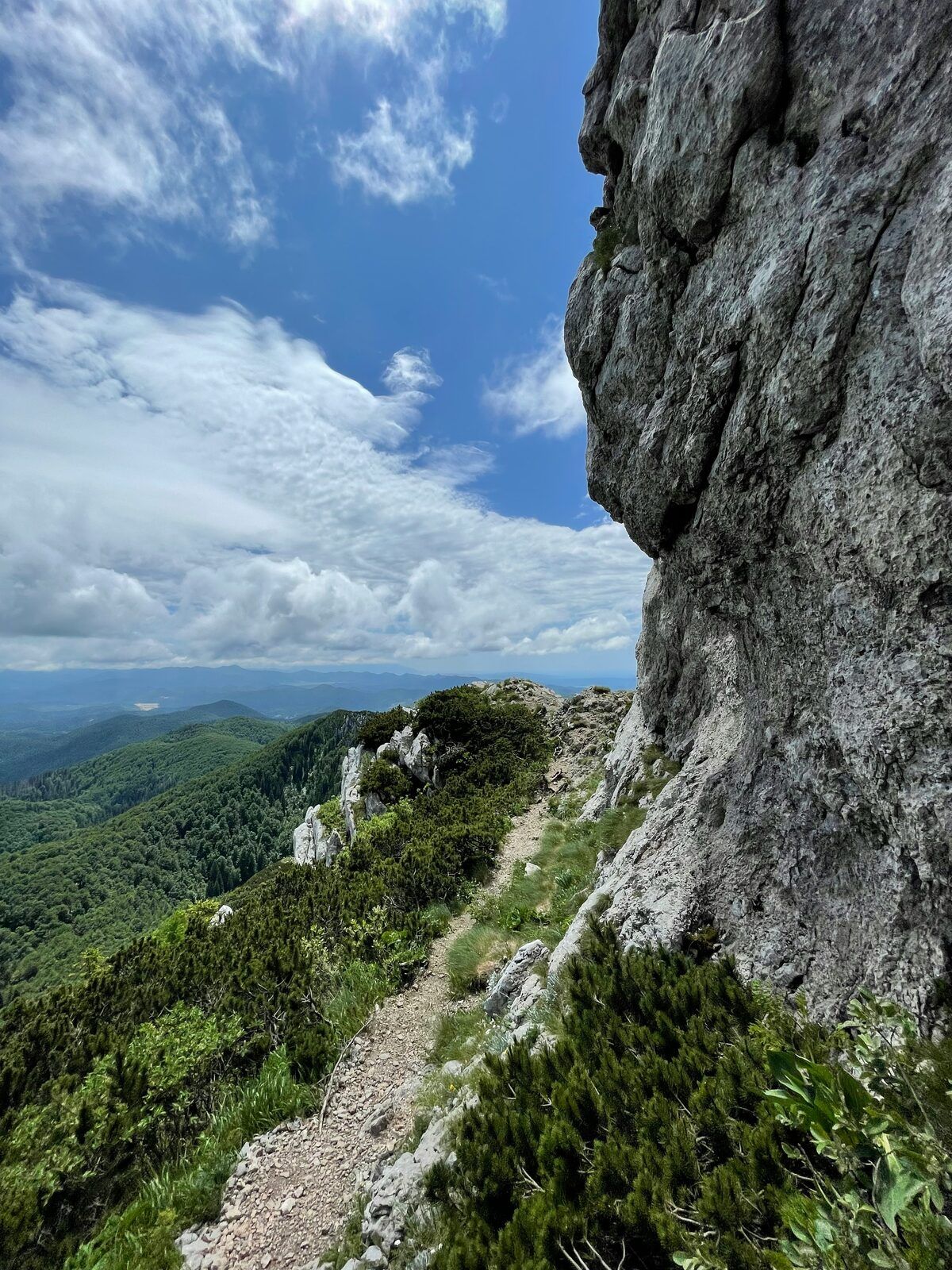
Risnjak
Gorski KotarA forested mountain sanctuary for wildlife and a natural hydrological monument, home to the source of the Kupa River. A haven for nature lovers and hikers.
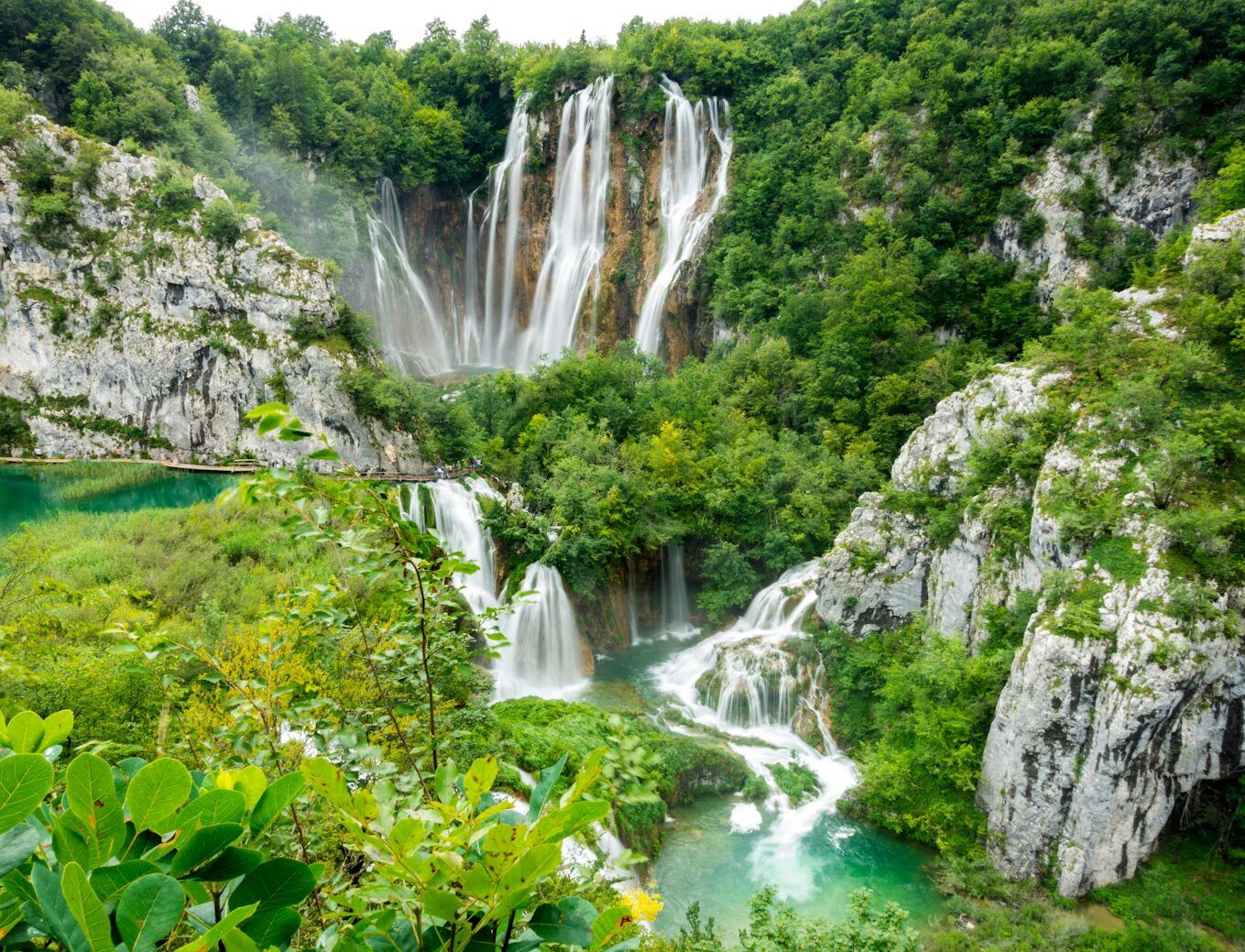
Plitvice Lakes
Lika • UNESCO World HeritageCroatia's most famous natural wonder featuring 16 crystal-clear cascading lakes connected by waterfalls, formed by the deposition of tufa. A place of extraordinary beauty.
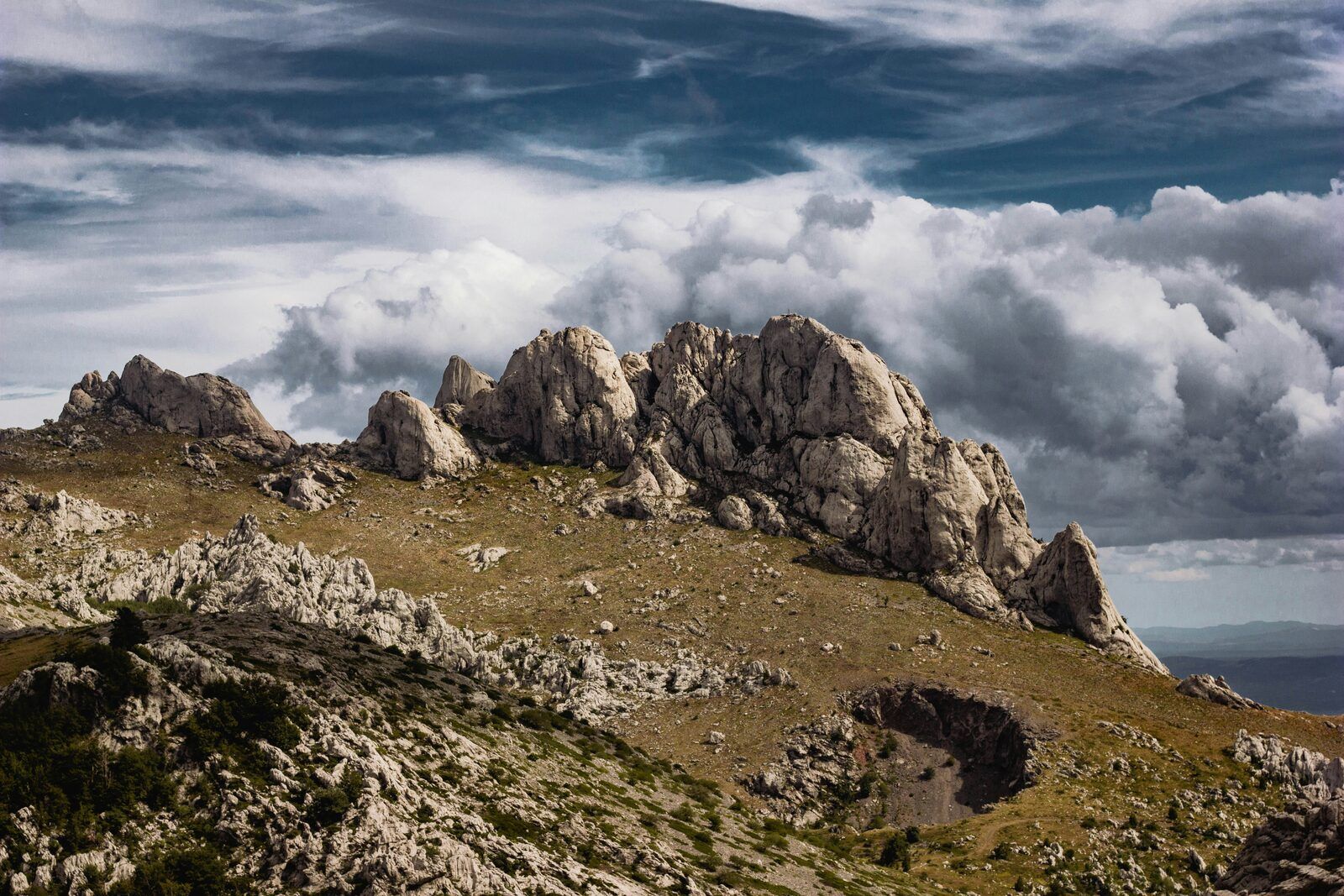
Northern Velebit
Velebit MountainInterwoven with scenic hiking trails, famed for dramatic karst formations including Hajdučki Kukovi cliffs and Lukina Jama, the world's eighth-deepest cave.
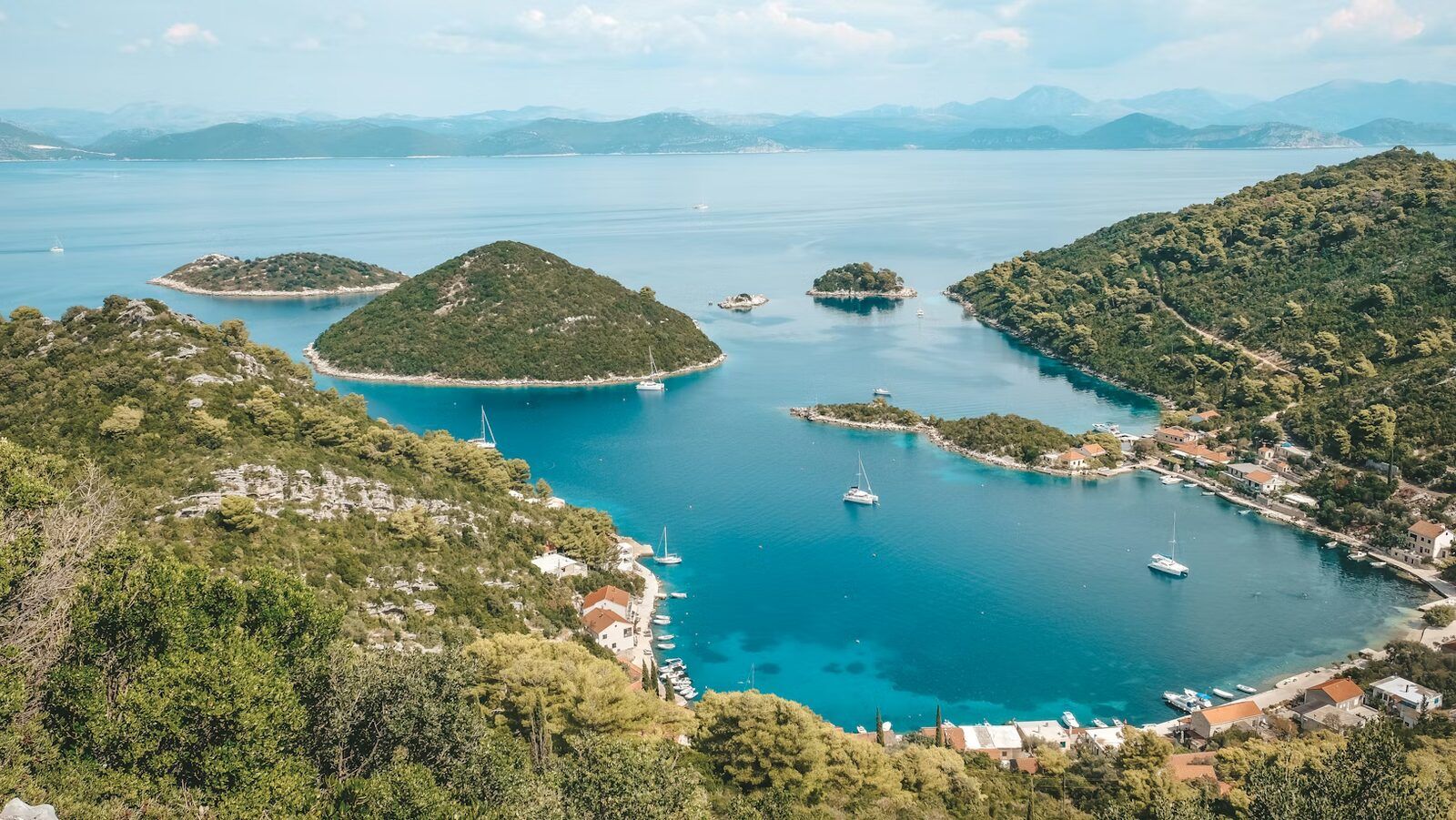
Mljet
DalmatiaThe most significant protected area in southern Dalmatia, celebrated for rich Mediterranean vegetation and two deep bays known as Veliko and Malo Jezero.
Full of Adventures
Nature as an Adventure
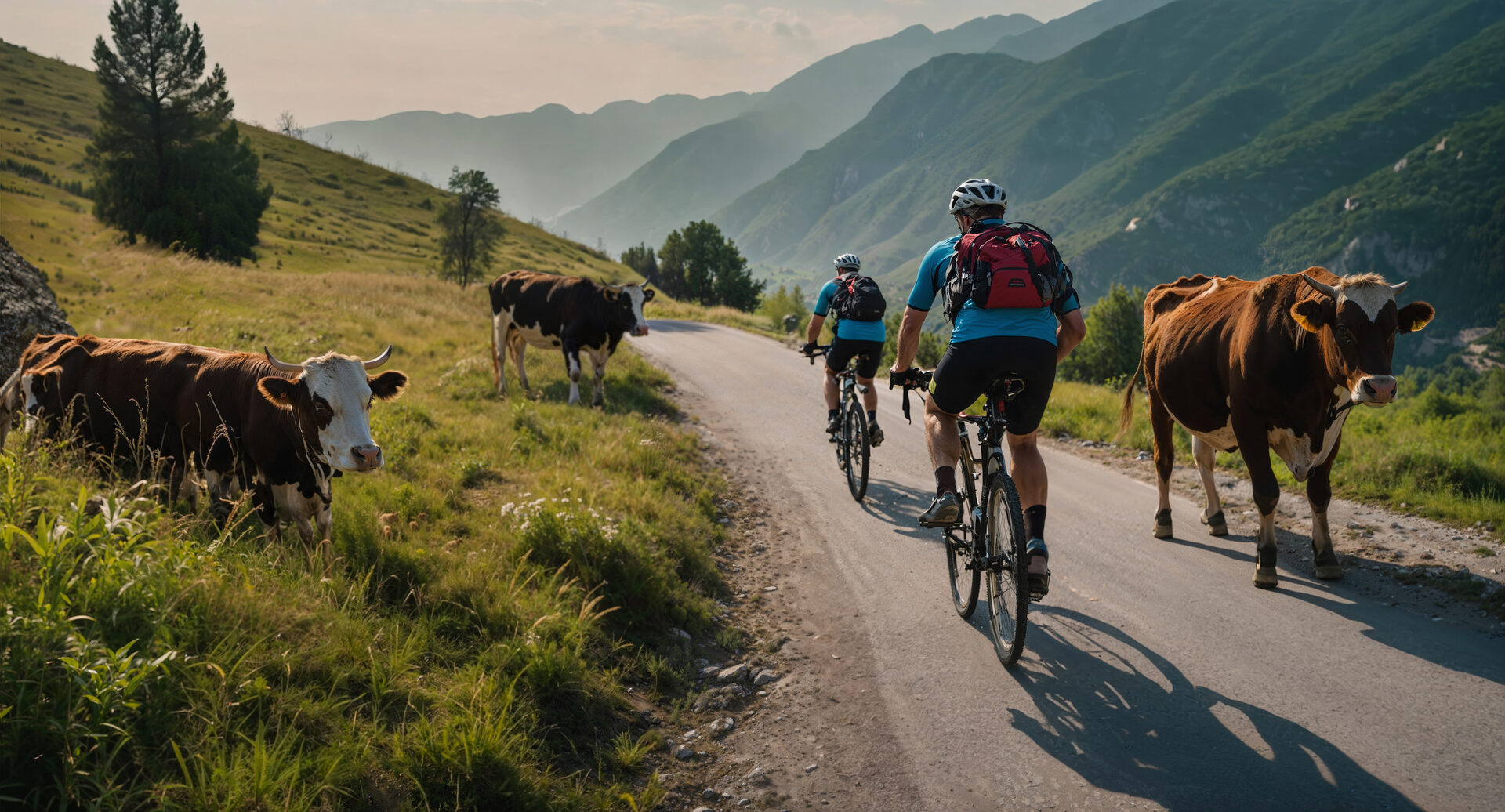
Nature itself is an adventure — and Croatia's natural beauty will disarm you with its warmth and generosity. The country's mild Mediterranean and temperate continental climate offer endless opportunities for outdoor activities throughout the year.
Cycle through scenic landscapes or hike along mountain trails, dive beneath crystal-clear waters or soar through the skies, surf the waves or conquer rugged peaks — let your curiosity guide you.
Diving Destination
Among the best in the Mediterranean
Sea Kayaking
World's best locations
Full of Flavors
Flavors of Croatia
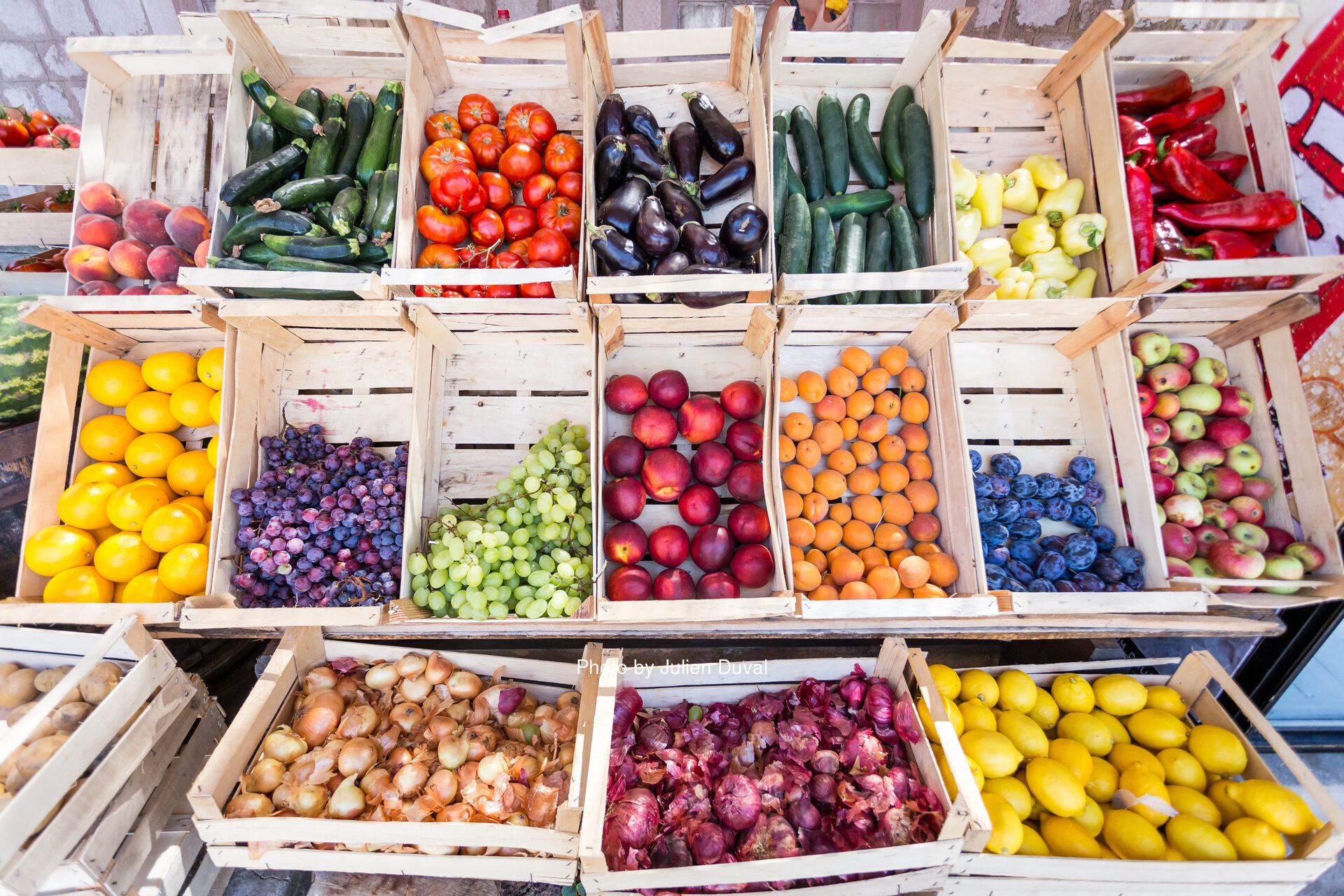
Croatian cuisine is wonderfully diverse, reflecting the country's many regions and rich cultural influences. Its contemporary form has roots in ancient Slavic and prehistoric traditions, shaped over centuries by contact with neighboring cultures.
Continental Cuisine
The continental regions bear marks of early Slavic origins and later influences from Hungarian, Viennese, and Turkish culinary traditions. Here, meat dishes, freshwater fish, and seasonal vegetables dominate the table.
Coastal Cuisine
Along the coast, flavors are inspired by Greeks, Romans, and Illyrians, refined by Italian and French Mediterranean cuisines. Renowned for seafood specialties — squid, cuttlefish, octopus, scampi, and lobster.
Olive oil • Dalmatian prosciutto • Truffles • Malvazija • Dingač • MaraschinoFull of History and Culture
A Journey Through Croatia's Cultural Heritage
Since ancient times, Croatia has been home to remarkable creations born of human ingenuity. Croatia's rich cultural heritage reveals itself not only within the walls of its many museums, galleries, and churches — several of which are recognized by UNESCO as World Heritage Sites — but also in the living fabric of its cities, towns, and landscapes.
There is always more to discover in this magical corner of the Mediterranean, where even the shortest stroll becomes a journey back through the centuries, guiding you through a past both turbulent and glorious, vibrant and enduring.
This is a land where four great cultural worlds — Western, Eastern, and Central Europe, intertwined with the southern spirit of the Mediterranean — meet and enrich one another. Croatia stands as a country of urban culture, boasting more historic towns than any other region of the Mediterranean.
Full of Trails
Croatia's Rural Charm
The panoramic diversity of Croatia and the quality of its authentic food and wine offerings are rooted in several mountain regions and internationally recognized rural and tourist communities that continue to grow and flourish.
Croatia offers an authentic glimpse into its pastoral heritage. The abundance of local wines and regional cuisine, the preservation of wildlife, and an ample supply of fresh drinking water all contribute to the country's natural wealth.